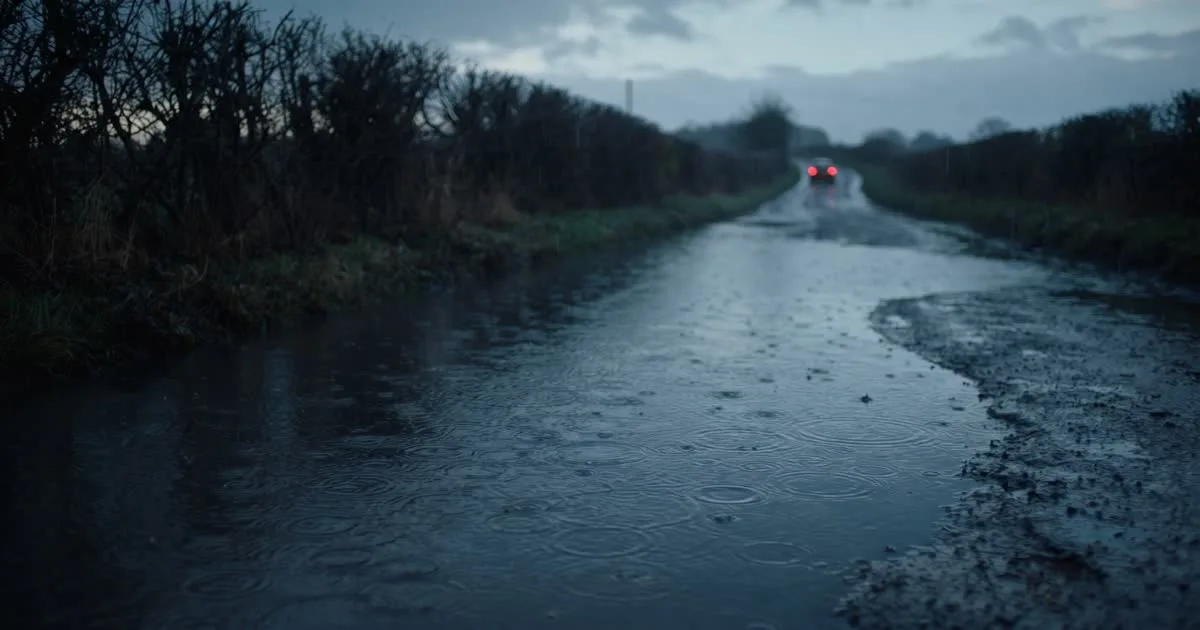
Louth sits on the River Lud, and the Lud can rise fast. If a flood warning is issued for the Lud, or heavy rain is falling on the Wolds, the safest choices are to move to higher ground, keep out of flood water and never drive, cycle or walk through it. This page explains how to find out about flooding in Louth, what to do when it happens and who to tell.
Most people think of floods as something that happens to other towns. Louth knows better. The worst flood in the town's history came in 1920, and the town flooded again in 2007. This page is for everyone who lives, works or drives in and around Louth, particularly in autumn and winter when roads and fields are wet.
Why Louth Floods
The River Lud runs through the middle of Louth, and it gathers its water from the Wolds to the west. On 29 May 1920 a thunderstorm over the Wolds sent a wave down the river that killed 23 people and left about 800 homeless. You can read the full story on our page about the Louth Flood, 1920.
After the floods of summer 2007, the Environment Agency built a £6.5 million flood alleviation scheme, with storage areas upstream on the Lud and Hallington Beck. It was formally opened on 28 July 2017. A scheme like that lowers the risk, but it cannot take it away, so the advice below still matters. The story of the town since then is on Louth Since 1900.
How to Find Out Before It Happens
The Environment Agency runs a free Check for flooding service on GOV.UK. It shows current flood warnings and alerts, river and rainfall levels, and the flood risk over the next five days. There are warning areas for the River Lud in Louth, and for the Louth Canal and Waithe Beck. A flood alert means flooding is possible, and a flood warning means flooding is expected.
You can also sign up to get flood warnings by text, phone or email. The service is free, and GOV.UK says you can use it if your home or organisation in England is at risk of flooding from rivers, the sea or groundwater. You can sign up online, or by phoning Floodline on 0345 988 1188 (textphone 0345 602 6340), which is open 24 hours a day.
One limit is worth knowing. The warning service does not cover surface water flooding, sometimes called flash flooding, which is when heavy rain runs off fields and roads faster than the drains can take it. For that, GOV.UK says to contact your local council.
GOV.UK also lets you check the long-term flood risk for an address, and has guidance on making a personal flood plan. A plan can be as simple as knowing where your insurance papers, medication and important phone numbers are, and where you would go.
Driving and Flood Water
The official advice is the same whether you are driving, cycling or walking: do not go through flood water. GOV.UK says flood water may contain sewage and can hide rubbish, wreckage, uneven roads and pavements, and broken drain and manhole covers.
Flood water is often deeper than it looks, and the Environment Agency has said that about 30cm (a foot) of flowing water is enough to float a car. A car pushing through water also makes a bow wave that can roll sideways towards nearby homes and shops. There is no safe depth to aim for, so turn round and find another route.
If the worst happens and your engine stops in water, do not try to restart it. Call your breakdown provider and get the car taken to a garage, because water in the engine can cause serious damage, and insurers may not pay for the repair if the car was driven into flood water.
Floods in the Wolds and along the Lud can close roads quickly. Allow extra time on wet days, and check the Environment Agency's flood warnings before a long journey.
During a Flood
If your area has a flood warning, GOV.UK says to move your family, pets and important items to safety, upstairs or to higher ground. Use flood barriers or air brick covers if you have them. Turn off gas, electricity and water if it is safe to do so, and do not touch an electrical switch if you are standing in water.
A severe flood warning means there is a danger to life. Call 999 if you or someone else is in immediate danger, leave the area if the emergency services tell you to, and do not put yourself at risk to move vehicles or belongings. To report an electrical hazard or power cut, call 105, which is free.
Follow the advice of Lincolnshire County Council, East Lindsey District Council and the emergency services. For help and advice you can also call Floodline.
After a Flood
Check with the emergency services that it is safe to go back inside. Do not turn on your gas, electricity or water until your utilities company or a qualified engineer has checked them.
Take photos of any damage and the flood water line, and contact your insurance company to start a claim before you throw anything away. If you rent, your landlord is responsible for repairs to flood damage. Flood water can carry sewage, so do not eat food that has touched it, and do not use tap water if its colour, taste or smell changes. GOV.UK has full guidance on what to do after a flood.
If your home cannot be lived in, your local council can help with emergency accommodation. It can also tell you how to get rid of sandbags and anything polluted by sewage or chemicals.
Reporting Flooding and Drainage Problems
A blocked road drain or a flooded road is usually a job for Lincolnshire County Council, and it has an online form for flooding and drainage problems. Our guide to reporting a pothole, damaged path or other hazard in Louth lists the other forms and explains who deals with what. For anything that puts someone in immediate danger, call 999.
Staying safe on the roads is not only about floods. If you are walking by the river, our guide to walks in and around Louth has some ideas that avoid the lowest ground, and the Local Info section has other practical guides.
Details on this page were checked against GOV.UK on 25th November 2026. Phone numbers and web addresses can change, so use the Floodline number and the official pages for the latest advice.