I published a post on inLouth about the Louth Town Action Group a couple of days ago. Nothing complicated. Just a clear write-up about who they are and what they do.
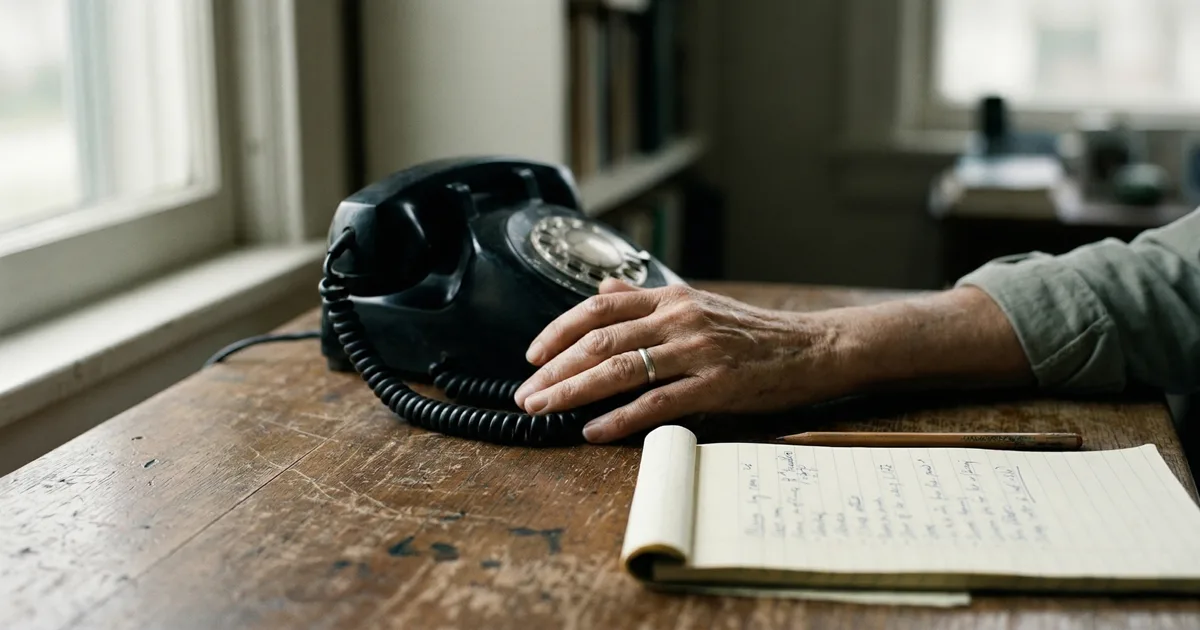
Two days later, my phone rang.
The person on the other end wanted to speak to someone from the Louth Town Action Group.
He'd found a contact number online, and that number happened to be mine, the main inLouth number, because the group itself doesn't have any public contact details outside of Facebook (here's there page).
He'd found the blog post on Google.
Two days after it went live.
Then I told him there was a link to their Facebook page in the post. He said something I've been thinking about ever since.
"I don't do Facebook."
That one sentence tells you more about local online visibility than most marketing advice ever will.
The problem with Facebook-only information
A lot of what happens locally only ever gets posted on Facebook. Updates, announcements, events, offers, photos - it all goes up, gets a few likes, and typically disappears within hours.
If you're not on Facebook, none of that reaches you. And even if you are, the algorithm decides what you see. It also decides what your target audience gets to see.
You'll only catch a fraction of what's actually being posted, by the businesses and groups you follow.
Google, for its part, can't properly read most of it. So when someone searches for something specific, most of that Facebook activity counts for very little.
What actually happened
This wasn't clever.
There was no campaign, no ad spend, no strategy meeting.
Someone needed information. They searched for it. Google found (and exposed) a clear, indexed page with the relevant details.
The person clicked through, couldn't find a direct contact for the group, and rang the number on the site.
- No scrolling through feeds.
- No joining groups and hunting through comments.
- No waiting to see if the right post happened to appear.
Just a search, a result, and a phone call.
The gap most groups and businesses don't see
The Louth Town Action Group does genuinely good work in the town. But outside of Facebook, there's very little to find. No obvious contact details, no single place where things are clearly set out.
So the call came to me.
Not because I run the group - I have nothing to do with it.
But because I wrote something that could be found.
That's the gap.
And it's not unusual - a lot of local organisations and small businesses are in exactly the same position.
Search and social work very differently
Social media pushes content at people and hopes they're in the right mood to care about it.
Search works the other way round. Someone is actively looking for something, right now. They've already decided they want it. They're just trying to find where to go.
One interrupts.
The other meets people at the exact moment they're looking.
That's a very different level of intent, and for local businesses, it matters a lot.
People searching Google for a local service, product, or group are often ready to act. They're not browsing. They're deciding.
If your business only exists or only posts on Facebook
You're not visible to a big chunk of people who might want what you offer.
Not just the ones who've left the platform or never joined.
But the ones who go straight to Google when they need something, which is most people, most of the time.
- They search.
- They find.
- They contact.
If you're not there, someone else is.
One clear, well-written post about something specific, published in the right place, can show up in Google within days and stay there indefinitely.
That's not a theory.
It happened here, and it happens regularly.
Worth thinking about.
A note for local businesses
If you run a shop, a service, or any kind of local business in or close to Louth, this is worth a moment of your time.
inLouth exists for exactly this reason. A well-written post about your business, what you do, where you are, what makes you worth visiting, can sit on Google indefinitely. Not because of any tricks or paid promotion, but because it's clear, specific, and published in the right place.
The person who rang me wasn't looking for inLouth. He was looking for the Louth Town Action Group. He found them because someone had written something findable about them.
If you'd like your business to be part of it, get in touch.
One last thought
If Facebook changed its algorithm tomorrow and made every business post invisible, how would people find you?
It's not as far-fetched as it sounds. Organic reach for business pages has already fallen to somewhere between 1% and 2% of followers, and that number has been sliding for years. Most of what gets posted by local businesses is already effectively invisible to the people who said they wanted to see it.
Google doesn't work like that. A page that's indexed pretty much stays indexed. It doesn't deprioritise you because you didn't pay to boost it.
Worth bearing in mind.
Questions About Getting Your Louth Business Found Online
Why isn't my Facebook page enough for local search?
Google can't properly read most Facebook content, so your posts, updates, and offers rarely show up in search results. Someone actively searching for what you offer won't find your Facebook page unless they already know to look for it there.
How quickly can a blog post appear in Google search results?
It varies, but a well-written post on an indexed website can appear in Google within a day or two of being published. A post about the Louth Town Action Group on inLouth showed up in search results just two days after it went live.
What kind of people search Google instead of using Facebook?
A lot of them, more than most businesses realise. Some people have never used Facebook. Others have left it. Many simply go straight to Google when they need something, regardless of whether they're on social media or not. These are often the people closest to making a decision.
Does my business need its own website to appear in Google?
Not necessarily. A well-written post about your business on an established local site like inLouth can rank in Google and send people your way. It won't replace a proper website, but it's a practical starting point if you don't have one yet.
How is a website listing different from a social media post?
A social media post disappears from feeds within hours and is only seen by people already following you. A page on a website stays put, gets indexed by Google, and can be found by anyone searching for the right terms, weeks, months, or years later.